
There is no way to truly prepare for the shock and disorientation of a house fire. Even a “small” kitchen fire in a St. Petersburg condo or a garage fire in a Tampa suburb can leave a home uninhabitable, and the emotional toll is overwhelming.
In the immediate aftermath, you will be faced with a hundred questions while standing in front of a home that is now a mess of char, soot, and water. This guide is designed to cut through that chaos with a simple, step-by-step plan for the first 24 hours. Your only goals right now are safety and stability. The recovery is a marathon, not a sprint, but what you do in these first few hours determines the speed and success of your fire damage restoration.
In a Hurry? Local Emergency Steps
- Stay Out: Do not re-enter the home until Tampa Fire Rescue, St. Pete Fire Department, or local first responders give the official “all clear.”
- Call Your Insurer: Contact your insurance claims hotline immediately to start the file for your Florida homeowners policy.
- Secure the Property: Arrange for an emergency board-up. In the Tampa Bay area, afternoon rain can quickly turn fire damage into a flood disaster.
- Don’t Clean: Do not attempt to wipe soot or wash clothes yourself; you will likely smear the oils and cause permanent damage.
- Call a Pro: Contact a 24/7 local restoration team to begin water extraction and property stabilization.
Priority One: Safety and Structural Integrity
Once the fire department has cleared the scene, your home in Tampa, Clearwater, or St. Petersburg is still a high-risk environment. The Fire Marshal may have “released” the scene, but that does not mean it is safe for habitation.
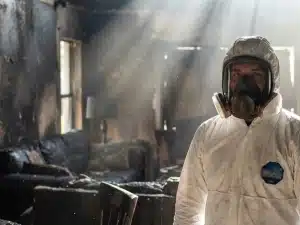 Do Not Re-Enter
It is tempting to run in and grab jewelry, photos, or documents. Resist this urge. High-heat fires can weaken floor joists and roof trusses common in Florida construction, which may look fine but are ready to collapse.
The Air is Toxic
Even if the smoke has cleared, the air is filled with microscopic soot, chemicals, and carcinogens from burnt plastics and synthetic materials. Breathing this in without a professional-grade respirator is dangerous.
Utility Hazards
Do not attempt to turn on the water, gas, or electricity yourself. The fire may have compromised wiring or pipes, leading to a secondary disaster like a burst pipe or an electrical explosion. Wait until a building inspector or a certified restoration professional confirms that the structure is stable before stepping foot inside.
The Critical Calls: Setting the Recovery in Motion
You are going to be making a lot of phone calls. The order in which you make them matters for your physical and financial recovery.
- Family and Loved Ones: Ensure everyone is accounted for and safe.
- Your Insurance Agent: Call the 24/7 claims number. You will be assigned a claim number and eventually an adjuster. Tell them you have a fire loss and need to start the process immediately.
- Emergency Restoration Experts: You need a team on-site within hours, not days. A 24/7 response is critical because the acid in soot reacts with Florida’s high humidity and begins to etch glass and metal almost immediately. This is the most critical factor in saving your belongings.
Securing the Property: Why Florida Storms Make Board-Ups Urgent
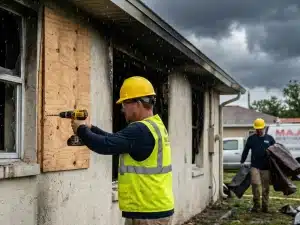 Your insurance policy requires you to “mitigate further damage.” In Pinellas and Hillsborough counties, this means you must protect the home from our frequent, heavy afternoon downpours, as well as vandalism.
A professional team will perform an emergency board-up. This involves:
- Boarding up broken windows and doors with plywood.
- Placing heavy-duty tarps over holes in the roof.
- Setting up temporary fencing if necessary.
This isn’t just for security; it prevents a typical Gulf Coast rainstorm from turning your fire loss into a massive water damage project. If you fail to secure the home, the insurance company may deny parts of your claim.
Addressing the “Hidden” Damage: Soot, Smoke, and Water
Many homeowners are surprised to find that the fire itself only caused a fraction of the damage. The real battle is against the byproducts, which are made more aggressive by our local climate.
The Problem with Soot and Smoke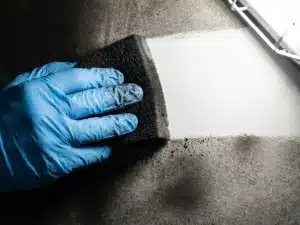
Smoke particles are microscopic and will penetrate every crack, crevice, and wall cavity. They travel through your HVAC system, contaminating the entire home. Soot is highly acidic and corrosive. Within 72 hours, it can permanently tarnish metal fixtures, etch glass, and stain plastic and vinyl.
The “Black Water” Hazard
If the fire department was involved, your home is now saturated with thousands of gallons of water. This isn’t clean tap water; it is “Category 1” water that becomes “Category 3 Black Water” the moment it touches soot and chemicals. This water will saturate your drywall and insulation, and in our heat, it will cause a massive mold problem in as little as 24-48 hours.
Why Mitigation is Not a DIY Project
Your first instinct might be to grab a bucket and start cleaning. Stop. Wiping a sooty wall with household cleaners is like trying to clean grease with a dry rag—you will only smear the oils deeper into the paint and drywall. This makes professional cleaning much harder and more expensive.
Professional teams use specialized chemical sponges and HEPA-filtered vacuums to remove dry soot before any liquid cleaning agents touch the surface. They follow a strict fire restoration process designed to salvage your property rather than ruin it.
Navigating Your Insurance: What to Expect
Your insurance adjuster’s job is to evaluate the loss, but you need an advocate. An independent restoration company works for you, not the insurance carrier.
- Documentation: From a safe distance, take hundreds of photos of the exterior damage. If you have an old hurricane prep video of your home’s interior, find it; it will be your best proof of what was lost.
- Loss of Use: Ask your agent about “Loss of Use” or “Additional Living Expenses” (ALE). This coverage pays for your hotel and meals while you are displaced from your home.
- Inventory: You will eventually need to create a list of every item lost. This is a painful process, but a professional restoration team can assist with a “Pack-Out” and inventory service to make it easier.
Frequently Asked Questions | Mold Damage
Q.1. The fire was small and only in the kitchen. Is it safe to stay in my house?
A1. We strongly advise against it. The air is filled with microscopic soot and toxic gasses that can be harmful, especially to children and the elderly. Furthermore, smoke and soot will have traveled through your HVAC system, contaminating the entire house. You should find a safe place to stay until the home is professionally assessed.
Q.2. Why can’t I just clean the soot myself?
A2. Soot is not “dirt.” It is an acidic, greasy, and corrosive byproduct. Wiping it with a household cleaner will smear it and drive it deeper into porous surfaces like drywall, making it permanent. It requires special chemical “sponges” and techniques.
Q.3. The fire department used a lot of water. Who handles that?
A3. A professional fire restoration company. The first 24 hours after a fire are a race against soot and water. That water is Category 3 Black Water and will cause a massive mold problem if not extracted immediately. A full-service company handles water mitigation at the same time as the fire board-up.
Q.4. My insurance company wants to send their "preferred vendor." Do I have to use them?
A4. No. You have the legal right to hire any qualified and certified restoration company you choose. An independent company works for you, advocating on your behalf to the insurance adjuster to ensure your home is restored correctly, not just quickly or cheaply.
Have a Water, Fire, or Storm Emergency in Tampa Bay?
You don’t have to handle this alone. The Major Restorations team is here to be your local, calm expert in the storm. We are a 24/7 emergency service serving Tampa, St. Pete, and Clearwater, ready to guide you through the entire process.
Call Us Now (24/7): (727) 609-1991
Disclaimer: Major Restorations is a licensed General Contractor and restoration specialist, not a public adjusting firm or law practice. The information provided here is for educational purposes only and does not constitute legal or professional insurance advice. Every fire loss is unique; please consult with the Fire Marshal regarding immediate safety and your insurance carrier regarding specific policy

